

61% of B2B marketers say generating high-quality leads is their single biggest challenge. Not closing. Not retention. Not pricing. Lead generation — the very front of the funnel — is where most B2B companies are quietly losing the revenue war every single quarter.
And the cost of getting it wrong is staggering: 79% of leads never convert into sales, not because the product is wrong or the sales team is weak, but because the leads were the wrong fit, sourced from the wrong channels, and nurtured with the wrong approach.
Here is the other side of that data: top-performing B2B companies generate high-quality leads at a 2.5x higher rate than their competitors — and they do it by combining the right mix of inbound and outbound strategies, backed by data, with a system that compounds over time.
This guide breaks down 20 of the most effective B2B lead generation strategies in 2026, ranked by ROI, with real data behind every single one, before/after examples where it matters most, and a complete system for building them into a pipeline engine that never runs dry.
The State of B2B Lead Generation in 2026
Before we get into the strategies, context matters enormously. The B2B lead generation landscape in 2026 looks fundamentally different from even two years ago. Here is what the data shows:
The Numbers You Need to Know
Metric 2026 Data Source Global B2B lead gen market size $6.5B by 2032 (11.8% CAGR) Business Wire B2B marketers struggling with lead quality 61% HubSpot State of Marketing 2026 Leads that never convert due to poor nurturing 79% Marketing Sherpa / Salesforce B2B marketing budget spent on lead gen 36% Passive Secrets Companies hitting revenue targets with content 67% G2 Lead Gen Report 2026 SEO lead close rate vs outbound 14.6% vs 1.7% G2 / Search Engine Journal LinkedIn's share of B2B social media leads 80% Martal / Snov.io 2026 Marketers using email as primary lead gen channel 85%+ Dux-Soup B2B Report 2026 Increase in PPC adoption year-over-year +11.29% Dux-Soup B2B Report 2026 Decline in cold calling year-over-year -7.51% Dux-Soup B2B Report 2026
The 3 Biggest Shifts in B2B Lead Generation in 2026
1. Quality over quantity is no longer optional. B2B buyers are more sophisticated, more self-educated, and harder to reach than ever. Only 18% of marketers say their outbound practices provide the highest quality leads — yet most teams are still optimizing for volume over fit. The teams winning in 2026 have inverted this: fewer, better-qualified leads that convert at dramatically higher rates.
2. AI-driven hyperpersonalization is the new baseline. AI-driven personalisation is becoming the norm. Hyperpersonalisation at scale is now achievable. Teams combining intent data with AI-powered personalization are generating leads at conversion rates that make traditional outreach look broken by comparison.
3. Multi-channel is not a strategy — it is a requirement. Email and social media remain the dominant channels, each used by over 85% of marketers, underscoring their role as core engines for outreach and engagement. But single-channel dependency is increasingly a liability. The data consistently shows that multi-channel approaches outperform any individual channel by 30–50%.
The 20 Best B2B Lead Generation Strategies in 2026
Ranked by overall ROI, implementation speed, and scalability. Each strategy includes the data behind it, a difficulty rating, and a quick-start action.
Strategy 1: Cold Email Outreach ⭐⭐⭐⭐⭐
ROI rating: Highest of any outbound channel Difficulty: Medium Time to first lead: 1–2 weeks
Cold email remains the single highest-ROI outbound lead generation channel available to B2B teams in 2026. Email and social media remain the dominant channels, each used by over 85% of marketers. When executed with precision — tight ICP targeting, genuine personalization, structured follow-up sequences — cold email consistently produces the lowest cost-per-lead of any paid or unpaid outbound strategy.
The data:
Cold Email Metric Benchmark Top Quartile Average open rate 39–44% 55%+ Average reply rate 3.4–5.1% 10–15%+ Cost per meeting $50–$200 Under $50 ROI vs paid acquisition 3–8x 10x+
What makes it work in 2026: The average B2B buyer receives dozens of cold emails per week. What separates the ones that get replies from those that get deleted: specificity, brevity, and a first line that proves the sender actually researched the recipient. Advanced personalization drives reply rates of up to 18% compared to 9% for generic emails — more than double.
❌ What most teams do wrong:
"Hi {{First Name}}, I hope this email finds you well! I'm reaching out because we help companies like yours improve their lead generation results. Our award-winning platform has helped hundreds of clients achieve..."
✅ What top performers do:
"Hi Marcus, saw {{Company}} just opened three SDR roles — which usually means pipeline targets are aggressive heading into Q2. We helped a team in the same position cut their cost-per-meeting from $340 to $87 in one quarter. Worth 15 minutes?"
For a complete system — templates, sequences, subject lines, and deliverability — start with our full guide to cold email outreach.
Quick start: Define your ICP to the company stage and persona level. Build a list of 50 verified prospects. Write one genuinely personalized first line per prospect (3 minutes each). Send over 5 days using a warmed inbox. Measure reply rate. Iterate.
Strategy 2: SEO and Content Marketing ⭐⭐⭐⭐⭐
ROI rating: Highest long-term ROI of any inbound channel Difficulty: High (setup) / Low (ongoing) Time to first lead: 3–6 months
SEO-driven leads close at a rate of 14.6%, compared to 1.7% for outbound leads. That 8.6x difference in close rate is the most compelling single statistic in B2B lead generation. SEO leads are not just cheaper — they are dramatically more likely to convert, because they represent people actively searching for what you offer.
The data:
SEO / Content Metric Benchmark SEO lead close rate 14.6% Outbound lead close rate 1.7% Companies blogging vs not 67% more leads per month Marketers using content for lead gen 82% Top 3 SERP results share of clicks 75% of all organic traffic
The 2026 content formula that works: The content types producing the highest B2B lead generation ROI in 2026 are: long-form pillar posts (2,000–4,000 words targeting high-intent queries), comparison pages (Tool A vs Tool B), data-driven research posts, and case study clusters. Each of these targets a specific stage of the buyer journey and a specific SERP feature.
Quick start: Identify the 10 highest-intent search queries your ICP uses when researching your category. Write one comprehensive, data-backed post targeting each. Build internal links between them to create topical authority clusters.
Strategy 3: LinkedIn Organic and Paid ⭐⭐⭐⭐⭐
ROI rating: Highest B2B social ROI Difficulty: Medium Time to first lead: 2–4 weeks
Approximately 89% of B2B marketers use LinkedIn for lead generation, and the platform drives roughly 80% of B2B social media leads. No other social platform comes close for B2B.
The data:
LinkedIn Metric 2026 Benchmark B2B marketers using LinkedIn for lead gen 89% Marketers who say it produces leads 62% Share of B2B social media leads 80% LinkedIn organic ROI — Staffing & Recruiting 529% LinkedIn organic ROI — Financial Services 390% LinkedIn organic ROI — B2B SaaS 388% B2B marketers engaging LinkedIn weekly 74.5%
Two approaches that work:
Organic: Founders and senior leaders publishing consistent, insight-rich content — not promotional content, but genuine perspectives on their industry — generate inbound DMs, connection requests, and referrals from their exact ICP. The algorithm rewards consistency, original thinking, and engagement over broadcasting.
Paid: LinkedIn's targeting filters — by job title, seniority, company size, industry, and even specific companies — make it the most precise paid B2B targeting tool available. Lead gen forms (native to LinkedIn) remove friction from the conversion process and consistently outperform landing page-based ads for B2B audiences.
Quick start: Start with organic — commit to publishing three posts per week for 90 days. Focus on one specific topic your ICP cares about. Measure engagement from your target audience, not total engagement.
Strategy 4: Referral Programs and Network Activation ⭐⭐⭐⭐⭐
ROI rating: Highest conversion rate of any source Difficulty: Low Time to first lead: Days to weeks
Referral leads are the highest-converting, fastest-closing, lowest-churning leads in B2B. Prospects referred by a mutual connection are 70% more likely to accept a meeting and close at dramatically higher rates than cold leads from any other source.
Analysts project that the global referral marketing software market will grow to $713.3 million by 2027 — a reflection of how seriously high-performing companies are taking referral as a systematic lead generation channel, not a happy accident.
The 3-step referral system:
Step Action Tool 1. Map Identify which customers have the strongest relationships with your ICP prospects LinkedIn mutual connections view 2. Ask Ask happy customers for 1–2 specific introductions at the right moment (post-success moment) Personal email or call 3. Enable Give customers a one-sentence description of your ideal prospect so they know exactly who to introduce you to Customer success touchpoint
Quick start: List your top 10 happiest customers. Map their LinkedIn networks for second-degree connections in your ICP. Ask for one specific introduction from each, using the language: "Do you know anyone facing [specific challenge] who might benefit from a quick conversation?"
Strategy 5: Intent Data and Trigger-Based Outreach ⭐⭐⭐⭐⭐
ROI rating: 5x higher than untriggered outreach Difficulty: Medium-High Time to first lead: 1–3 weeks
Intent data is the most powerful upgrade available to any B2B lead generation system in 2026. Prospects showing active buying signals respond at 15–25% rates — a 5x improvement over average cold outreach.
Imagine: a logistics company from Birmingham visits your product pages, compares integrations and views your customer stories. Leadinfo identifies this company, enriches the profile with contact details and pushes an alert to your CRM or Slack. Sales calls that same day with relevant context. This is the power of intent-driven lead generation.
The highest-value intent signals to monitor:
Trigger Signal Lead Quality Tool to Monitor Website visitor identification Very High Leadinfo, Warmly, Clearbit Funding announcement Very High Crunchbase, Signal NF New executive hire High LinkedIn Alerts G2/Capterra review activity High G2 Buyer Intent Topic surge / content consumption High Bombora Job postings (role-specific) High LinkedIn Jobs alerts Competitor customer activity Medium-High G2, Slintel Conference attendance Medium Event platforms
On average, only 2% of your B2B website traffic converts into a lead. The remaining 98%? They disappear without leaving a trace. Website visitor identification tools solve this by identifying the companies visiting your site — even those who never fill out a form.
Quick start: Set up Crunchbase alerts for funding events in your ICP. Set up LinkedIn alerts for executive hires at target accounts. Build a cold email template for each trigger type so you can reach out within 24 hours of the signal firing.
Strategy 6: Multi-Channel Outbound Sequences ⭐⭐⭐⭐⭐
ROI rating: 2–3x higher than single-channel Difficulty: Medium-High Time to first lead: 2–3 weeks
It takes an average of 8 touches across multiple channels to book a meeting with a new B2B prospect. Single-channel cold email delivers 3–4 of those touches at best. Multi-channel sequences deliver all 8.
A proven 18-day B2B lead generation sequence:
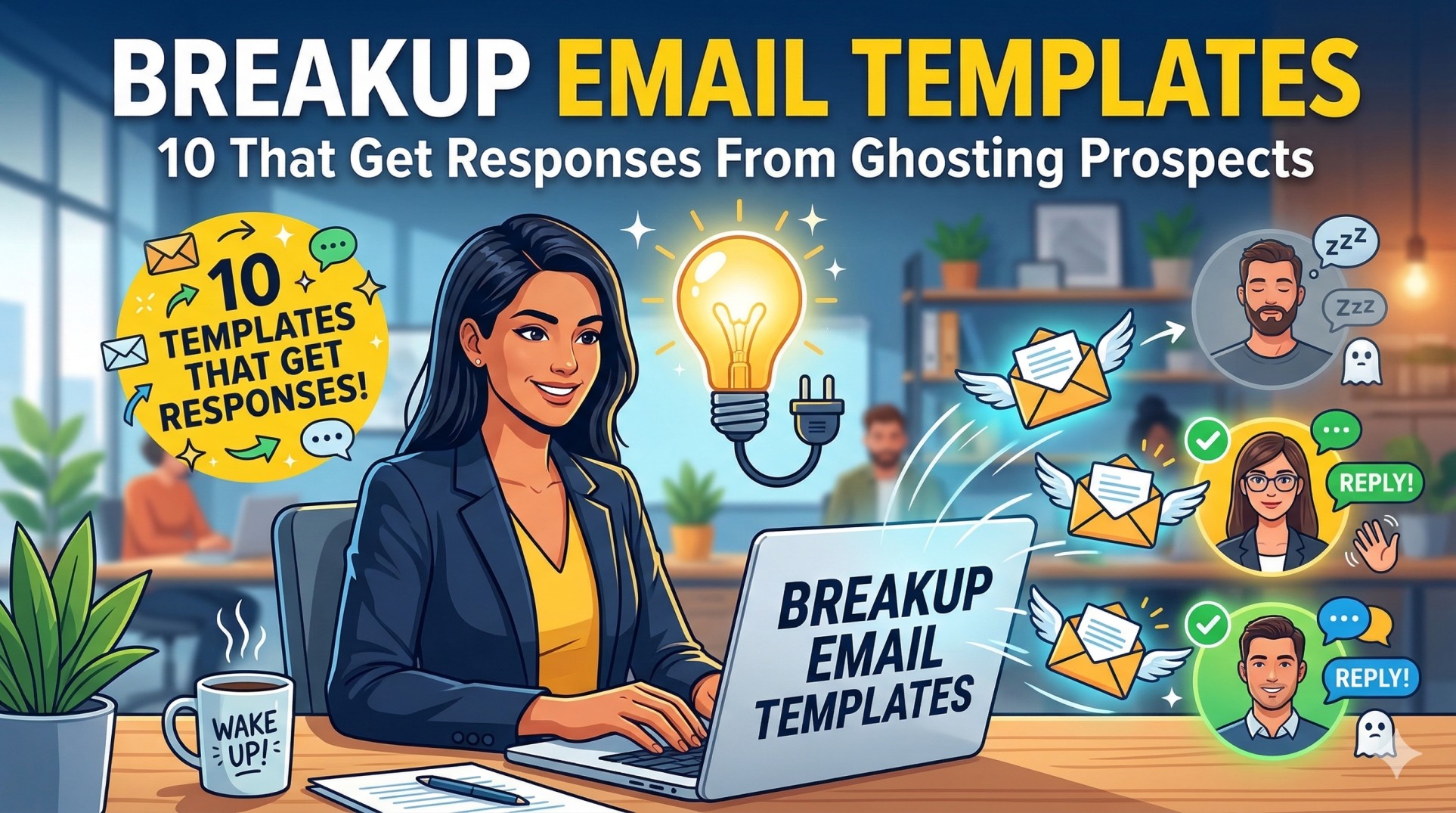
Day Channel Action 1 Email Initial cold email (personalized first line + value prop) 2 LinkedIn Connection request (no message) 4 Email Follow-up #1 — light bump 5 LinkedIn Message (if connected) referencing the email 7 Phone Cold call — reference email and LinkedIn connection 9 Email Follow-up #2 — value-add (case study, insight, data) 12 LinkedIn Thoughtful comment on their recent post 14 Email Follow-up #3 — different angle / pivot 16 Phone Second call attempt 18 Email Breakup email — warm, gracious, door-open
PPC advertising shows the strongest growth (+11.29%), suggesting increased reliance on paid acquisition to offset declining organic reach. Multi-channel sequences that include paid retargeting (showing LinkedIn or Google ads to prospects mid-sequence) are increasingly being adopted by sophisticated teams to create ambient familiarity between direct outreach touches.
For the complete framework for the email component of your sequences, see our guide to cold email follow-up sequences.
Strategy 7: Account-Based Marketing (ABM) ⭐⭐⭐⭐☆
ROI rating: Highest per-account ROI Difficulty: High Time to first lead: 4–8 weeks
ABM inverts the traditional lead generation funnel: instead of generating broad awareness and filtering down, you identify a specific list of high-value target accounts and orchestrate highly coordinated, multi-stakeholder campaigns specifically for each one.
ABM by the numbers:
ABM Metric 2026 Data B2B marketers using ABM 70%+ ABM campaigns vs non-ABM deal size 30% larger deals Top challenge: lack of internal expertise 40% Top challenge: unclear best approach 23% B2B revenue growth of 20%+ with ABM Rate customer experience as excellent
The 4-step ABM framework:
Account selection: Identify 50–200 named accounts using firmographic fit + intent signals. Prioritize accounts where you have the most to gain and where your proof points are strongest.
Stakeholder mapping: Identify 3–5 contacts per account across economic buyer, champion, technical evaluator, and procurement gatekeeper. Each receives different messaging tied to their specific concerns.
Coordinated outreach: Combine cold email, LinkedIn, phone, and — for highest-value accounts — personalized video, direct mail, and custom landing pages. All touches should feel connected, not random.
Content alignment: Create account-specific content where the deal justifies it — a customized case study featuring a company similar to the target, a personalized competitive analysis, or a mini-report about their industry challenges.
Strategy 8: Webinars and Virtual Events ⭐⭐⭐⭐☆
ROI rating: High for mid-funnel conversion Difficulty: Medium Time to first lead: 3–6 weeks
Leads from webinar registrations are 16% more likely to make a buying decision, and CTA conversions per webinar increased by 24% year-over-year. The average conversion rate for webinars across B2B industries is 2.3%.
Webinars work because they compress months of trust-building into 45 minutes. A prospect who attends your webinar has voluntarily spent time with you, consumed your thinking, and self-identified as interested in your category. These are among the warmest leads available from any inbound channel.
What makes a high-converting B2B webinar:
Element Low-Performing High-Performing Topic Generic ("How to grow your business") Hyper-specific ("How Series B SaaS teams cut SDR ramp time by 50%") Speaker Company executive only External industry expert + company executive Promotion Email list only Email + LinkedIn + paid social + partner co-promotion CTA "Schedule a demo" "Get the playbook" (lower friction, followed by nurture) Follow-up One email 3-email sequence referencing specific content from the webinar
35% of B2B teams plan to invest more in events and trade shows in 2026 — a signal that in-person and hybrid events are recovering strongly and producing lead quality that digital channels increasingly struggle to match.
Strategy 9: Case Studies and Social Proof ⭐⭐⭐⭐☆
ROI rating: High for conversion, not acquisition Difficulty: Low Time to first lead: Immediate (if used in outreach)
Case studies are considered the most effective content type by 73% of B2B buyers — yet most companies produce case studies that are too generic, too long, and positioned too late in the funnel to do their maximum work.
The case study lead generation strategy most teams miss:
Most companies treat case studies as bottom-of-funnel collateral — something to share after a prospect is already engaged. The most sophisticated lead generation teams use case studies as a cold outreach weapon: sharing a hyper-relevant case study (same industry, same company stage, same challenge as the prospect) as the value-add email in a cold outreach sequence.
A case study shared as Email 3 in a cold sequence — framed as "thought this might be useful regardless of whether we work together" — consistently produces replies from prospects who have ignored the first two emails. It resets the dynamic from pitch to value exchange.
The anatomy of a lead-generating case study:
Element What to Include Headline Specific result + timeframe + company type Before Specific pain point in the customer's own words Solution What you did (brief — this is not a feature list) Result Specific numbers: time, money, percentage change Quote From the decision-maker, not the end user CTA "See if we can do the same for your team"
Strategy 10: Paid Search (Google Ads) ⭐⭐⭐⭐☆
ROI rating: High for bottom-of-funnel Difficulty: Medium Time to first lead: Days
The average CPL in Google Ads is $70.11 in 2026, increased by 5.3% compared to 2024. The average CPC across industries is $5.26, with the highest rate of $8.58 for Legal Services.
Paid search works because it captures demand that already exists — people who are actively searching for what you do right now. Unlike cold outreach (where you are creating demand), paid search is demand harvesting.
The keywords worth bidding on for B2B lead generation:
Keyword Type Intent Level Cost Example Competitor comparisons Very High High "[Competitor] alternative" Category + "best" Very High Medium-High "best B2B lead gen tools" Problem-specific High Medium "how to generate B2B leads faster" Your brand High Low "[Your Company Name]" Job title + pain Medium-High Medium "VP Sales pipeline problem"
The highest-converting B2B paid search campaigns in 2026 send traffic to dedicated landing pages — not homepages — with a single, specific offer matched to the keyword intent. A prospect searching "cold email software comparison" should land on a comparison page, not your homepage.
Strategy 11: Email Newsletter and Content Nurture ⭐⭐⭐⭐☆
ROI rating: High for pipeline acceleration Difficulty: Medium Time to first lead: 1–3 months
49% of marketers consider email newsletters effective for lead nurturing, and 47% of B2B teams are going to increase their budgets for nurturing campaigns in 2026.
A B2B newsletter that delivers genuine insight — not company news, not product updates, but real thinking your ICP finds useful — builds the kind of trust and familiarity that shortens sales cycles dramatically. When someone has been reading your newsletter for three months before you reach out, the cold email is no longer cold.
The nurture sequence that converts:
Stage Cadence Content Type Goal Top of funnel Weekly Educational content, insights, data Build awareness + trust Mid-funnel Bi-weekly Case studies, comparisons, how-tos Generate consideration Bottom-funnel Triggered ROI calculators, demos, trials Drive conversion
The trigger-based nurture is the most powerful: when a prospect takes a specific action (visits your pricing page, downloads a case study, attends a webinar), automatically trigger a sequence specifically tailored to that behavior.
Strategy 12: Cold Calling With Research ⭐⭐⭐☆☆
ROI rating: Medium — declining but still viable Difficulty: High Time to first lead: Immediate
Cold calling has seen the steepest decline of any lead generation channel (-7.51%), signaling a move away from interruption-based outbound tactics. But 69% of buyers still answer calls from new providers — meaning it is not dead, it is just evolving.
The phone calls that still work in 2026 are research-driven, trigger-based, and used as part of a multi-channel sequence — not as a standalone cold prospecting method. A call that follows an opened email and a LinkedIn connection is a warm touchpoint, not a cold interruption.
Quick start: Restrict cold calls to prospects who have already opened at least one of your emails. Reference the email in the first 5 seconds of the call. Keep calls under 3 minutes unless the prospect engages.
Strategy 13: Partner and Ecosystem Lead Generation ⭐⭐⭐⭐☆
ROI rating: High — extremely underutilized Difficulty: Medium Time to first lead: 4–8 weeks
Partner-driven lead generation means building relationships with companies that serve the same ICP as you but are not competitors — so their customers become your prospects through warm introductions rather than cold outreach.
Brands using affiliates and influencers drive up to 46% more sales than single-channel strategies.
Partner types that produce B2B leads:
Partner Type Lead Quality Example Integration partners Very High "We integrate with [Tool they already use]" Agency partners High Agencies who serve your ICP Consultant networks High Consultants who recommend tools to clients Industry associations Medium-High Groups your ICP belongs to Co-marketing partners Medium Companies with overlapping audiences
The highest-ROI partner play: identify three companies whose customers are your ideal prospects. Propose a co-marketing arrangement — a joint webinar, a co-authored guide, a mutual case study. Each company promotes to their audience. Both generate leads from the other's existing trust.
Strategy 14: Video Marketing and YouTube ⭐⭐⭐⭐☆
ROI rating: High and growing Difficulty: Medium Time to first lead: 2–4 months
B2B businesses focus on videos (84%) and case studies or customer stories (78%) as among their top content types. Video is no longer a nice-to-have in B2B marketing — it is a primary discovery channel for an increasing share of your ICP.
YouTube functions as the second largest search engine in the world — and B2B buyers use it to research products, compare vendors, learn from thought leaders, and evaluate solutions before ever speaking to a sales rep. A well-ranked YouTube video can generate inbound leads continuously for years after publication.
The B2B video content types that generate leads:
Video Type TOFU/MOFU/BOFU Lead Quality Tutorial / How-to TOFU Medium Product comparison MOFU High Customer testimonial MOFU/BOFU Very High Founder thought leadership TOFU Medium-High Category explainer TOFU Medium Live demo BOFU Very High
Strategy 15: Podcast Guesting and Audio Content ⭐⭐⭐☆☆
ROI rating: Medium-High for brand authority Difficulty: Low Time to first lead: 4–8 weeks
Guest appearances on podcasts that your ICP listens to deliver three things simultaneously: authority positioning, backlinks (from show notes), and direct lead generation from listeners who act on what they hear.
The calculation is simple: a podcast with 5,000 listeners who are your exact ICP is more valuable than a blog post seen by 50,000 people who are not. Narrow, relevant reach beats broad, irrelevant scale.
Quick start: Identify 15 podcasts your ICP listens to. Build a one-paragraph pitch explaining what insight you would bring to their audience. Send it to the host's business email (found via Hunter.io). Follow up once. Repeat until you are booking 2–3 appearances per month.
Strategy 16: Community Building and Engagement ⭐⭐⭐⭐☆
ROI rating: High — extremely long-term Difficulty: High Time to first lead: 3–6 months
The companies building owned communities in 2026 — Slack groups, Discord servers, LinkedIn groups, forum-style memberships — are creating lead generation assets that compound indefinitely. Community members self-select as deeply engaged with the problem your product solves. They refer others. They produce word-of-mouth. They convert at dramatically higher rates than any cold channel.
More than half of all potential customers in B2B industries prefer to get information on a certain product from other users or industry experts. A community where your ICP gets genuine value from peers — not from you pitching at them — is the highest-trust lead generation environment you can build.
Strategy 17: Interactive Content and Tools ⭐⭐⭐⭐☆
ROI rating: High for lead capture Difficulty: Medium-High Time to first lead: 2–4 weeks post-launch
Interactive content — calculators, assessments, graders, and audit tools — converts at roughly twice the rate of static content like whitepapers and PDFs. A "Cold Email Grader" that tells a sales rep how their current approach scores, or an "Outbound ROI Calculator" that shows a VP of Sales their potential pipeline increase, captures contact information from exactly the right people, at exactly the right moment of intent.
Interactive content types ranked by B2B conversion:
Content Type Average Conversion Rate Lead Quality ROI / Cost calculators 40–60% Very High Assessment / grader tools 35–50% Very High Diagnostic quiz 30–45% High Comparison tool 25–40% High Interactive whitepaper 15–25% Medium Gated PDF / ebook 3–15% Medium-Low
Strategy 18: Data-Driven Research and Original Reports ⭐⭐⭐⭐⭐
ROI rating: Exceptionally high for backlinks + authority Difficulty: High Time to first lead: 3–6 months (but compounds for years)
Original research — surveys of your ICP, analysis of your own platform data, benchmarking studies — is the highest-authority content type in B2B marketing. It earns backlinks from competitors, journalists, and analysts who cite your data. It generates press coverage. It creates lead magnets that convert for years.
Research-based content is considered an effective lead nurturing tactic by 33% of marketing professionals. But as a lead acquisition tactic — particularly through organic search and backlinks — original research is in a different league from all other content types.
Quick start: Survey 100 of your customers or ICP prospects about a specific challenge. Publish the findings as a benchmark report. Promote it to industry publications. The backlinks and citations will drive organic traffic indefinitely.
Strategy 19: Retargeting and Paid Social ⭐⭐⭐⭐☆
ROI rating: High for pipeline acceleration Difficulty: Medium Time to first lead: 1–2 weeks
Retargeting — showing ads to people who have already visited your website, engaged with your content, or interacted with your outreach — is one of the most efficient forms of B2B paid lead generation available. It reaches people who have already expressed interest, at a fraction of the cost of reaching a cold audience.
PPC advertising shows the strongest growth of any channel at +11.29%, suggesting increased reliance on paid acquisition to offset declining organic reach, potentially driven by AI-generated search summaries.
The retargeting sequence that works:
Audience Ad Type Offer Website visitors (all pages) Awareness Thought leadership content Pricing page visitors Consideration Case study or ROI calculator Blog readers (specific topic) Education Related deeper content Cold email openers Familiarity Brand awareness / social proof Trial or demo no-shows Urgency Limited time offer / testimonial
Strategy 20: Thought Leadership and Personal Brand ⭐⭐⭐⭐⭐
ROI rating: Compounding and extremely high Difficulty: High — requires consistency Time to first lead: 2–6 months
92% of B2B buyers are willing to engage with sales professionals who are known industry thought leaders. The founder, sales leader, or subject matter expert who is genuinely recognized as an authority in their space generates inbound leads, speaking invitations, podcast bookings, partnership opportunities, and press coverage — entirely passively.
Thought leadership is the one lead generation strategy that gets easier, not harder, with time. Every post published, every podcast appearance made, every original insight shared compounds into a body of work that generates leads while you sleep.
The thought leadership flywheel:
Publish original insight
        ↓
Earn engagement from ICP
        ↓
Build algorithm reach + following
        ↓
Inbound connection requests from ICP
        ↓
Warm outreach context for every cold email
        ↓
Higher reply rates + inbound lead flow
        ↓
More authority → More reach → Repeat
B2B Lead Generation Strategies Compared: The Master Reference Table
Strategy ROI Tier Speed Scalability Cost Best For Cold Email Outreach ⭐⭐⭐⭐⭐ Fast Very High Low All B2B teams SEO + Content ⭐⭐⭐⭐⭐ Slow Very High Medium Long-term growth LinkedIn (Organic) ⭐⭐⭐⭐⭐ Medium High Low Founder-led sales Referrals ⭐⭐⭐⭐⭐ Fast Medium Very Low Any stage Intent Data ⭐⭐⭐⭐⭐ Fast High Medium-High Scale-up teams Multi-Channel Sequences ⭐⭐⭐⭐⭐ Medium High Low-Medium SDR teams ABM ⭐⭐⭐⭐ Slow Low High Enterprise sales Webinars ⭐⭐⭐⭐ Medium Medium Medium Mid-funnel Case Studies ⭐⭐⭐⭐ Fast High Low Conversion Paid Search ⭐⭐⭐⭐ Very Fast High High Demand capture Email Nurture ⭐⭐⭐⭐ Medium Very High Low Pipeline acceleration Cold Calling ⭐⭐⭐ Fast Low Medium Senior prospects Partner / Ecosystem ⭐⭐⭐⭐ Medium Medium Low Network-rich teams Video / YouTube ⭐⭐⭐⭐ Slow Very High Medium Brand + SEO Podcast Guesting ⭐⭐⭐ Medium Medium Very Low Authority building Community Building ⭐⭐⭐⭐ Very Slow High Medium Long-term moat Interactive Content ⭐⭐⭐⭐ Medium High Medium Lead capture Original Research ⭐⭐⭐⭐⭐ Slow Very High Medium Backlinks + authority Retargeting ⭐⭐⭐⭐ Fast High Medium Pipeline acceleration Thought Leadership ⭐⭐⭐⭐⭐ Very Slow Very High Very Low Compounding growth
How to Build Your B2B Lead Generation System: A Step-by-Step Framework
Individual strategies are useful. A system is transformative. Here is how to turn the 20 strategies above into a pipeline engine that compounds over time.
Step 1: Define Your ICP With Surgical Precision
Every lead generation strategy performs better with a tighter ICP. Before activating any channel, answer these questions with specifics — not generalizations:
Which industries? (Not "B2B" — which specific verticals?)
Which company size? (Employee count AND revenue range)
Which growth stage? (Seed, Series A, Series B, enterprise?)
Which persona? (Exact job title, seniority, department)
Which trigger conditions? (What specific situation makes them a buyer right now?)
The narrower your ICP, the more relevant your messaging, the better your conversion rates, and the more efficiently every dollar and hour of lead generation investment performs.
Step 2: Choose Your Primary and Secondary Channels
No team has unlimited resources. Rather than doing 20 strategies at 5% effort each, do 3 strategies at 100% effort. The combination of channels should cover:
Outbound (now): Cold email + LinkedIn outreach for immediate pipeline
Inbound (later): SEO + content + thought leadership for compounding pipeline
Amplifier: Referrals + partners to accelerate both
Step 3: Set Up Your Technical Foundation
Before scaling any outbound channel, your infrastructure must be solid. For cold email specifically: verified prospect lists, properly warmed inboxes, authenticated sending domains, and a capable sending tool. For more on getting this right, see our guides to cold email personalization, email deliverability, and cold email templates.
Step 4: Track the Metrics That Matter
The 5 top metrics that matter to marketers in 2026: Lead quality and MQLs (39%), Lead to customer conversion rate (34%), ROI (31%), Customer acquisition cost (30%), lead generation volume (29%).
Note that lead quality ranks above lead volume. Track both — but optimize for quality first.
Metric What It Measures Healthy Benchmark MQL rate Quality of inbound leads 20–30% of raw leads Cost per MQL Channel efficiency Varies by industry Lead-to-opportunity rate Sales qualification quality 30–40% Opportunity-to-close rate Sales effectiveness 20–30% CAC by channel Channel ROI Compare against LTV Pipeline coverage Future revenue health 3–4x quota
Step 5: Build the Feedback Loop
B2B marketers who integrate targeted paid campaigns, content-led social strategies, and automation with a human touch will be best positioned to capture leads, nurture relationships, and drive measurable growth in 2026.
Review your lead generation performance weekly. Which channels are producing the highest-quality leads? Which are producing volume with low conversion? Which need more investment? The teams improving fastest in 2026 are not the ones with the best initial strategy — they are the ones with the tightest feedback loop.
Frequently Asked Questions About B2B Lead Generation
What is B2B lead generation?
B2B lead generation is the process of identifying and attracting potential business customers — companies and decision-makers — who have a genuine need for your product or service, and initiating contact or capturing their information to begin a sales conversation. It encompasses both inbound strategies (content, SEO, webinars that attract prospects to you) and outbound strategies (cold email, LinkedIn outreach, cold calling that reach out to prospects proactively).
What is the most effective B2B lead generation strategy in 2026?
No single strategy dominates universally — the most effective approach depends on your ICP, sales cycle, and resources. However, the combination of cold email outreach (for immediate pipeline), SEO and content marketing (for long-term compounding growth), and referral activation (for highest conversion rates) consistently outperforms any single-channel approach. Cold email delivers the highest short-term ROI for most B2B teams; SEO leads close at 14.6% vs 1.7% for outbound, making it the most valuable long-term investment.
How much should a B2B company spend on lead generation?
B2B companies spend an average of 36% of their total marketing budget on lead generation — higher than mainstream companies at 32%. The exact amount depends heavily on your growth stage, deal size, and sales cycle length. A useful framework: calculate your target pipeline value, divide by your average lead-to-close rate to find the number of leads needed, then calculate the cost at your target cost-per-lead across each channel.
What is a good B2B lead generation conversion rate?
The average lead-to-MQL conversion rate across different lead generation channels is 31%. SEO-driven leads close at 14.6%, compared to 1.7% for outbound leads — a dramatic difference driven by the intent level of the lead at acquisition. Within cold email specifically, a reply rate of 5–10% is good, and a meeting booked rate of 1–2% of total prospects contacted is a solid outbound benchmark.
How long does it take to see results from B2B lead generation?
It depends entirely on the strategy. Cold email outreach can produce replies and booked meetings within days of sending. Paid search can drive form fills within hours of launching. SEO and content marketing typically take 3–6 months to produce meaningful organic traffic, but then compound indefinitely. Thought leadership and community building are 6–12 month investments before they produce consistent lead flow. Most B2B teams should run at least one fast-ROI outbound channel (cold email) while building slower-burn inbound channels simultaneously.
What is the difference between lead generation and demand generation?
Lead generation focuses on capturing the identity and contact information of potential buyers — generating a list of prospects who have shown interest. Demand generation focuses on creating awareness, interest, and intent in an audience that may not yet be actively looking for a solution. In 2026, the most sophisticated B2B teams run both simultaneously: demand gen builds the pool of aware, interested buyers; lead gen converts them into identified, contactable prospects.
How do I generate B2B leads without a large budget?
The highest-ROI, lowest-cost B2B lead generation strategies are: cold email outreach (cost is mostly time, not money), LinkedIn organic content (free), referral activation (free), and SEO/content marketing (time-intensive but very low cost compared to paid channels). A team with no budget but significant time can build a meaningful pipeline through cold email sequences, consistent LinkedIn publishing, and a referral program built around happy customers.
The Bottom Line
B2B lead generation in 2026 is not a single tactic. It is a system — one that combines the right channels, in the right sequence, targeting the right people, with the right message, measured and improved continuously.
The 20 strategies in this guide cover the full spectrum: from cold email that generates pipeline this week, to SEO and thought leadership that will still be generating leads in 2030. The teams winning the B2B pipeline game are not doing all 20 simultaneously — they are doing 3 to 5 exceptionally well, with clear metrics, a tight feedback loop, and the discipline to build infrastructure before scaling volume.
Top-performing B2B companies generate high-quality leads at a 2.5x higher rate, boosting ROI. That 2.5x gap is not luck or budget. It is strategy, precision, and consistency.
Build the system. Fill the pipeline. Then build it better.
Ready to build your outbound pipeline? Start with the most powerful tool in the B2B lead generation stack — master cold email outreach from the ground up, write cold email templates that convert strangers into conversations, craft subject lines that earn the open, build follow-up sequences that capture every available reply, nail cold email personalization at scale, understand what drives your cold email response rate, and ensure everything lands in the inbox with our email deliverability guide. Or start generating leads smarter today at mailfra.com.
Comments(0)
Loading comments...